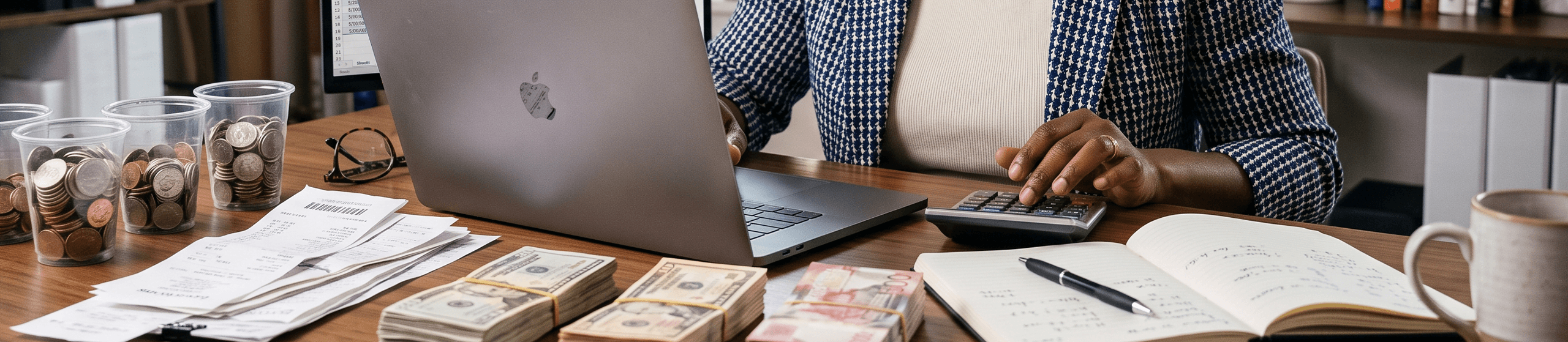

Improving your business is not always about introducing new products or lowering prices. Often, it is about improving the overall customer experience and making every interaction with your business more worthwhile.
Business improvement is the process of improving a product, service or customer experience in a way that increases its worth to the customer. This can happen before, during or even after a sale. Whether it is providing expert advice, offering convenient payment options, improving packaging or delivering excellent customer support, every improvement adds to the overall value customers receive.
The businesses that consistently add value are often the ones customers remember long after the purchase has been made.
Customers rarely buy something simply because they need the product itself. More often, they are trying to solve a problem or achieve a specific outcome.
Someone buying a water tank wants reliable water storage. A customer purchasing office furniture wants a comfortable and productive workspace. Someone shopping for school supplies wants to prepare their child for success.
Businesses that understand the real reason behind a purchase are better positioned to offer recommendations, complementary products and services that genuinely improve the customer’s experience.
Many business owners believe value addition requires significant investment, but small improvements often have the greatest impact. Responding quickly to enquiries, simplifying the buying process, providing clear product information or following up after a purchase can leave a lasting impression.
These small actions may seem ordinary on their own, but together they create a customer experience that builds trust and encourages repeat business.
Customers return to businesses that consistently make their lives easier. While price may attract first-time buyers, convenience, reliability and good service are what encourage them to come back. A smooth purchasing experience, consistent product quality and helpful support all contribute to long-term customer loyalty. When customers know they can depend on your business, they are less likely to compare prices elsewhere because they already trust the value you provide.

One of the most effective ways to add value is by paying attention to how customers interact with your business. The products they buy together, the questions they ask, the items they purchase repeatedly and the services they request all provide useful insights into their needs.
These patterns help businesses identify opportunities to improve their offerings, introduce relevant products and create solutions that customers genuinely appreciate. Businesses that listen carefully often discover new ways to grow without making major changes to what they already sell.
Businesses that focus only on selling often compete on price. Businesses that focus on adding value compete on experience.
As customers receive greater value, they become more confident in their purchasing decisions, recommend the business to others and develop stronger relationships with the brand. Over time, this creates a loyal customer base, increases repeat purchases and supports steady, sustainable growth.
Value addition is about finding meaningful ways to improve every touchpoint of your business as relates to customers as well as the product or service offered.
When your business understands what customers truly value, you can build stronger relationships, encourage repeat purchases and stand out in an increasingly competitive market.
With the right tools, identifying opportunities to add value becomes much easier. A modern POS system like BizKit helps businesses understand customer purchasing patterns, monitor product performance and make informed decisions that create greater value for both the business and its customers.
Revenue Management: Is Your Business Growing Revenue or Just Chasing Sales?

Pricing and Profitability: What Should Your Business Really Be Charging?
Operational Systems and Process Management: How Can Businesses Run Better Without Constant Supervision?

Why Managing Money Matters More Than Making Sales